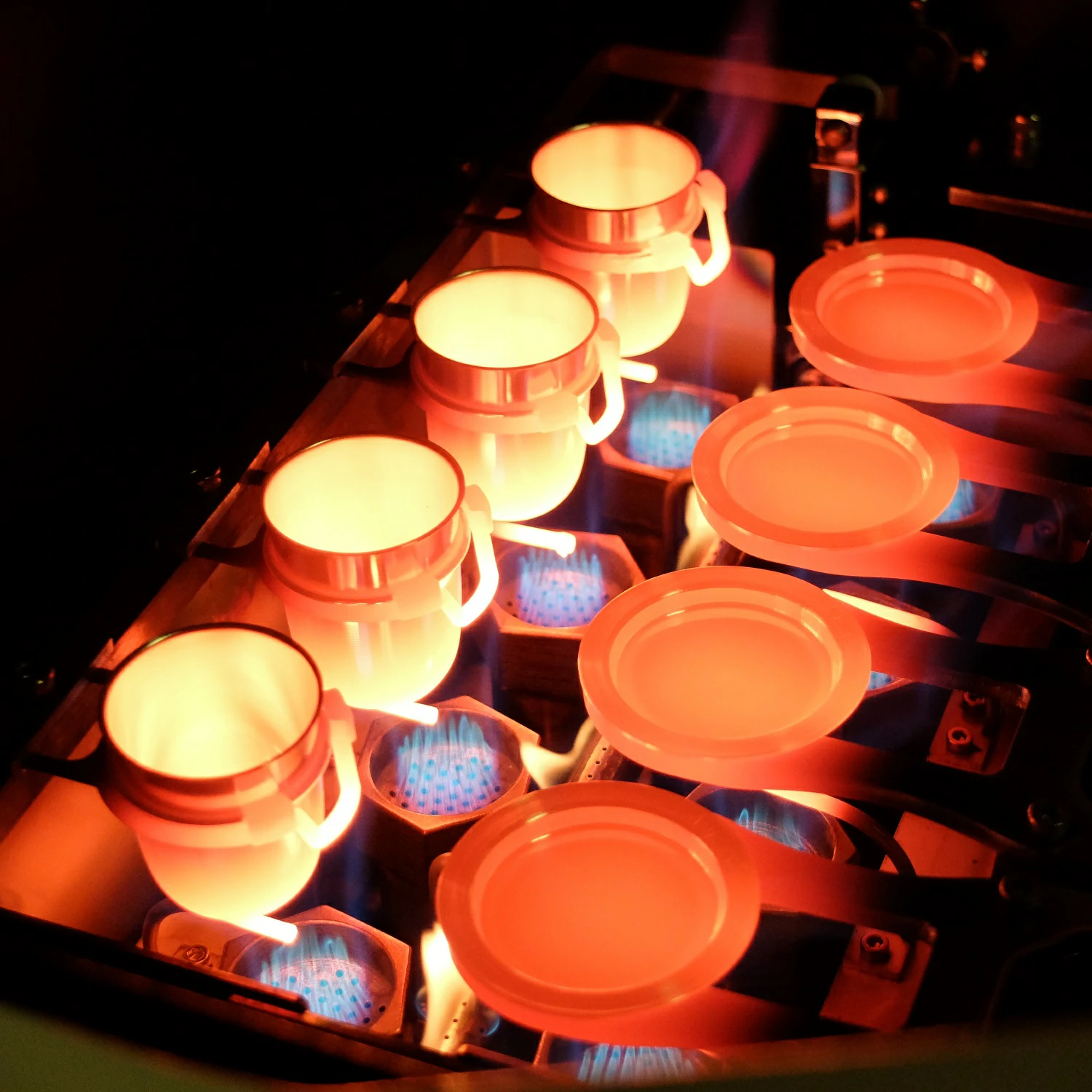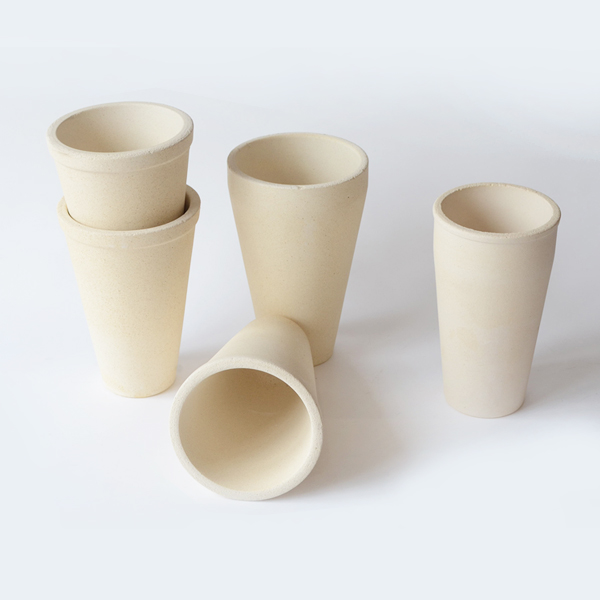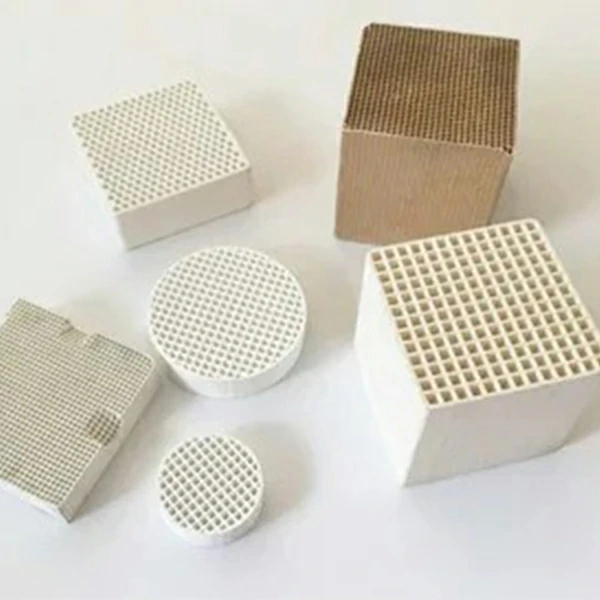
Fire assay remains one of the most accurate and widely used methods for determining precious metal content. At the heart of this high-temperature process is fire assay ceramic, the specialized refractory hardware required to separate gold and silver from ore samples. These high-temperature materials are essential for ensuring accuracy, consistency, and safety in laboratory and industrial assay operations.
This guide explains what fire assay ceramic is, how it works, and how to choose the right fire assay crucible and materials for your application.
What Is Fire Assay Ceramic?
Fire assay ceramic refers to a class of refractory ceramics specifically engineered to withstand the extreme temperatures and chemical reactions involved in the precious metal assay process.
These ceramics are used to manufacture key consumables such as:
- Fire assay crucibles
- Cupels
- Fusion dishes
They must resist:
Temperatures exceeding 1,000 °C
Chemical corrosion from fluxes (e.g., litharge-based mixtures)
Thermal shock during heating and cooling cycles
Unlike general-purpose ceramics, fire assay ceramics are optimized for high thermal stability, controlled porosity, and chemical durability.
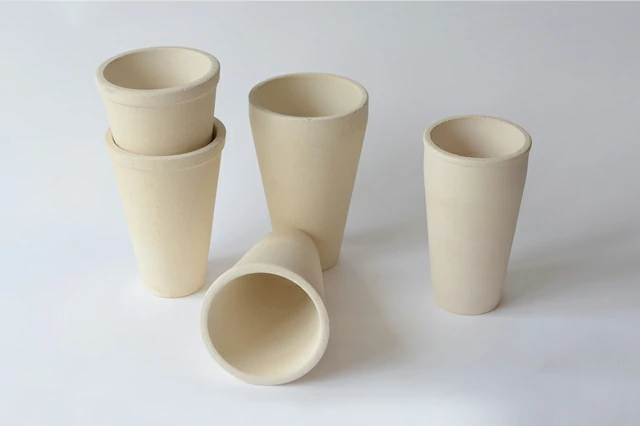
The Role of Fire Assay Crucibles in the Assay Process
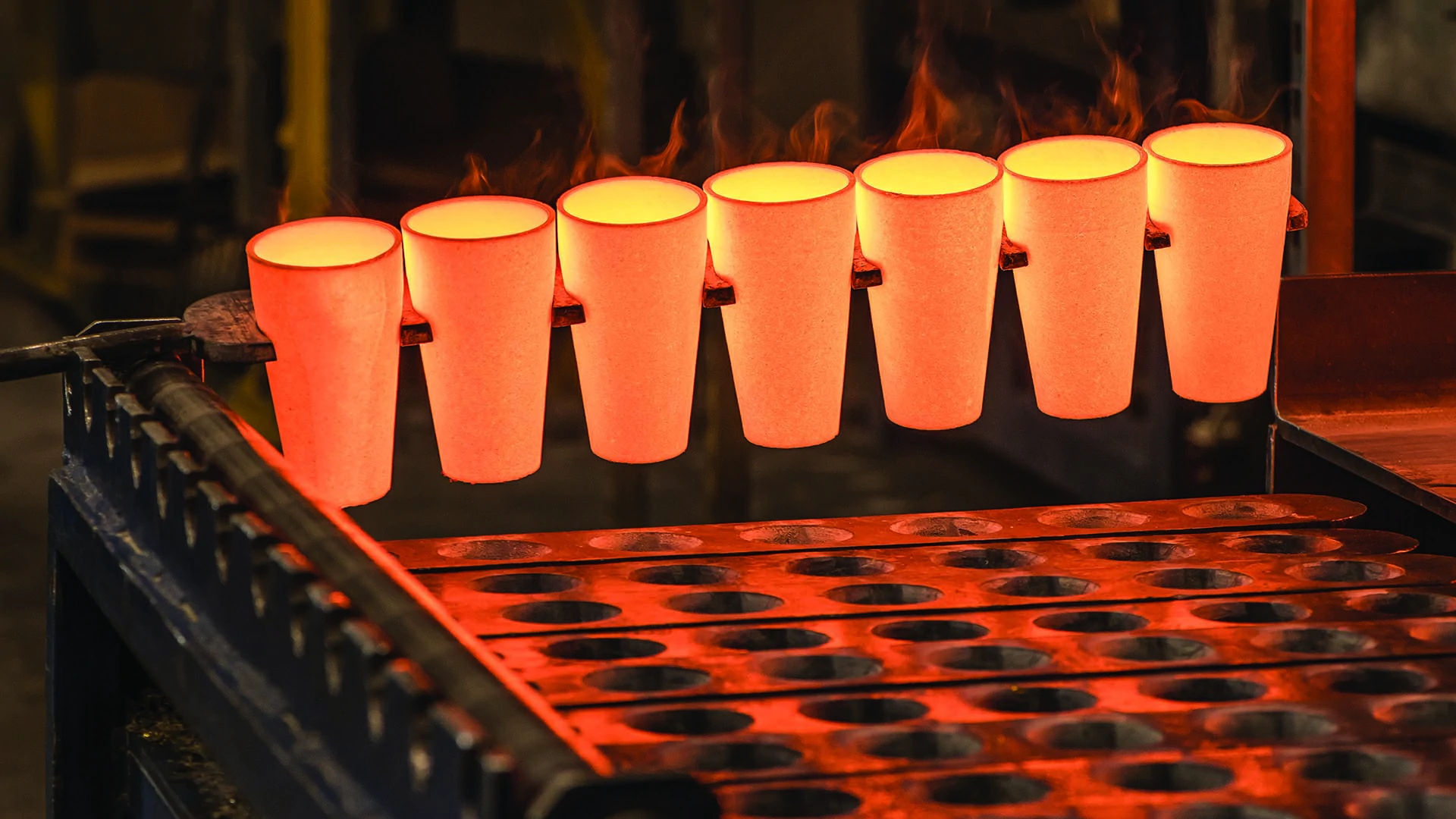
The fire assay crucible is the primary vessel used during the fusion stage of the assay process. It holds the sample, flux, and reagents while they are heated to separate precious metals from impurities.
How It Works
Sample Preparation: The ore or material is mixed with flux (lead oxide, silica, borax, etc.).
Fusion Stage: The mixture is heated in a fire assay crucible at high temperature. Precious metals combine with lead. Impurities form slag.
Separation: Molten lead collects precious metals and separates from waste materials.
Cupellation: The lead is oxidized, leaving behind a precious metal bead for analysis.
The performance of the fire assay crucible directly impacts accuracy, recovery rate, and repeatability.
Common Ceramic Crucible Materials Used in Fire Assay
The durability and performance of fire assay ceramic products depend on their composition. Different ceramic crucible materials offer varying levels of thermal shock resistance, strength, and chemical stability.
1. Clay-Based Ceramics
- Widely used and cost-effective
- Suitable for standard assay conditions
- Moderate resistance to thermal shock and corrosion
2. Alumina (Al₂O₃) Ceramics
- High mechanical strength
- Excellent resistance to chemical attack
- Longer lifespan under repeated use
3. Cordierite Ceramics
- Very low thermal expansion
- Superior thermal shock resistance
- Ideal for rapid heating and cooling cycles
4. Composite Refractory Ceramics
- Engineered blends of clay, alumina, and silica
- Optimized for both durability and cost efficiency
- Common in high-performance fire assay applications
Key Properties of High-Quality Fire Assay Ceramic
When selecting fire assay ceramic products, focus on the following performance characteristics:
- Thermal Shock Resistance: Ability to withstand rapid temperature changes without cracking.
- Chemical Resistance: Protection against aggressive fluxes and molten slag.
- Mechanical Strength: Maintains structural integrity under high load and temperature.
- Controlled Porosity: Allows stress absorption while preventing excessive flux penetration.
- Consistency: Uniform material quality ensures repeatable assay results.
Applications of Fire Assay Ceramics
Fire assay ceramics are used across industries that require precise metal analysis:
- Mining and mineral exploration
- Precious metal refining (gold, silver, platinum)
- Metallurgical laboratories
- Environmental testing and recycling industries
In all applications, reliable refractory ceramics are key to maintaining performance and efficiency.
How to Choose the Right Fire Assay Crucible
Selecting the correct fire assay crucible involves evaluating several operational factors:
Temperature Requirements
High-temperature applications require advanced materials such as alumina-based ceramics.
Flux Composition
Aggressive fluxes demand stronger chemical resistance and lower porosity.
Firing Frequency
For multiple firings, choose materials with high thermal fatigue resistance.
Material Specifications
Look for:
- High alumina content for strength and durability
- Controlled porosity for stress absorption
Cost vs Performance
Lower-cost clay crucibles may suit single-use scenarios, while premium materials reduce long-term operational costs.
Common Problems and Solutions
Cracking (Thermal Shock)
- Cause: Rapid heating or cooling
- Solution: Preheat gradually and control cooling rates
Chemical Erosion
- Cause: Flux attacking the crucible wall
- Solution: Use higher-grade refractory ceramics
Short Service Life
- Cause: Poor material quality or excessive reuse
- Solution: Upgrade material and track firing cycles
Why Fire Assay Ceramic Quality Matters
Using high-quality fire assay ceramic is not just about durability—it directly affects:
- Assay accuracy
- Precious metal recovery rates
- Laboratory efficiency
- Overall operational cost
Low-grade ceramics may reduce upfront costs but often lead to higher failure rates, inconsistent results, and increased downtime.
In commercial fire assay labs, using cheap, low-grade ceramics is often a “false economy”. While you might save a small amount on the initial purchase, poor-quality materials lead to:
- Cracked Samples: Loss of precious metal data and labor time.
- Furnace Damage: Leaking crucibles can ruin furnace floors.
- Inconsistency: Poor thermal behavior leads to varied fusion results.
Investing in engineered fire assay ceramic formulations delivers a longer crucible lifespan and more consistent assay results over time.
Conclusion
Fire assay ceramic plays a critical role in the success of the precious metal assay process. From the performance of the fire assay crucible to the durability of refractory materials, every aspect of ceramic quality impacts analytical outcomes.
By understanding different ceramic crucible materials, their properties, and their applications, laboratories can make informed decisions that improve both performance and cost efficiency.